
The Independent Watch Market Is Booming — But Not Every Brand Is Boutique-Ready
The global appetite for independent watchmaking has never been stronger. Collectors are increasingly turning away from the mass-produced offerings of legacy conglomerates, seeking instead pieces with genuine craft, personality, and story. For boutique retailers, this shift presents a real opportunity — but also a responsibility. Stocking the wrong brand can tie up capital, confuse your customers, and dilute the carefully built identity of your store.
So how do you tell a great independent brand from one that simply looks good on Instagram? Here's what to look for when sourcing independent watch brands for your boutique.
1. A Clear and Authentic Brand Story
Independent watchmakers live and die by their narrative. Unlike heritage maisons that can lean on decades of history, independents must earn their place in the conversation through the authenticity and clarity of their story. Before you stock a brand, ask yourself: can I explain what this brand stands for in a single sentence? Can my sales staff do the same?
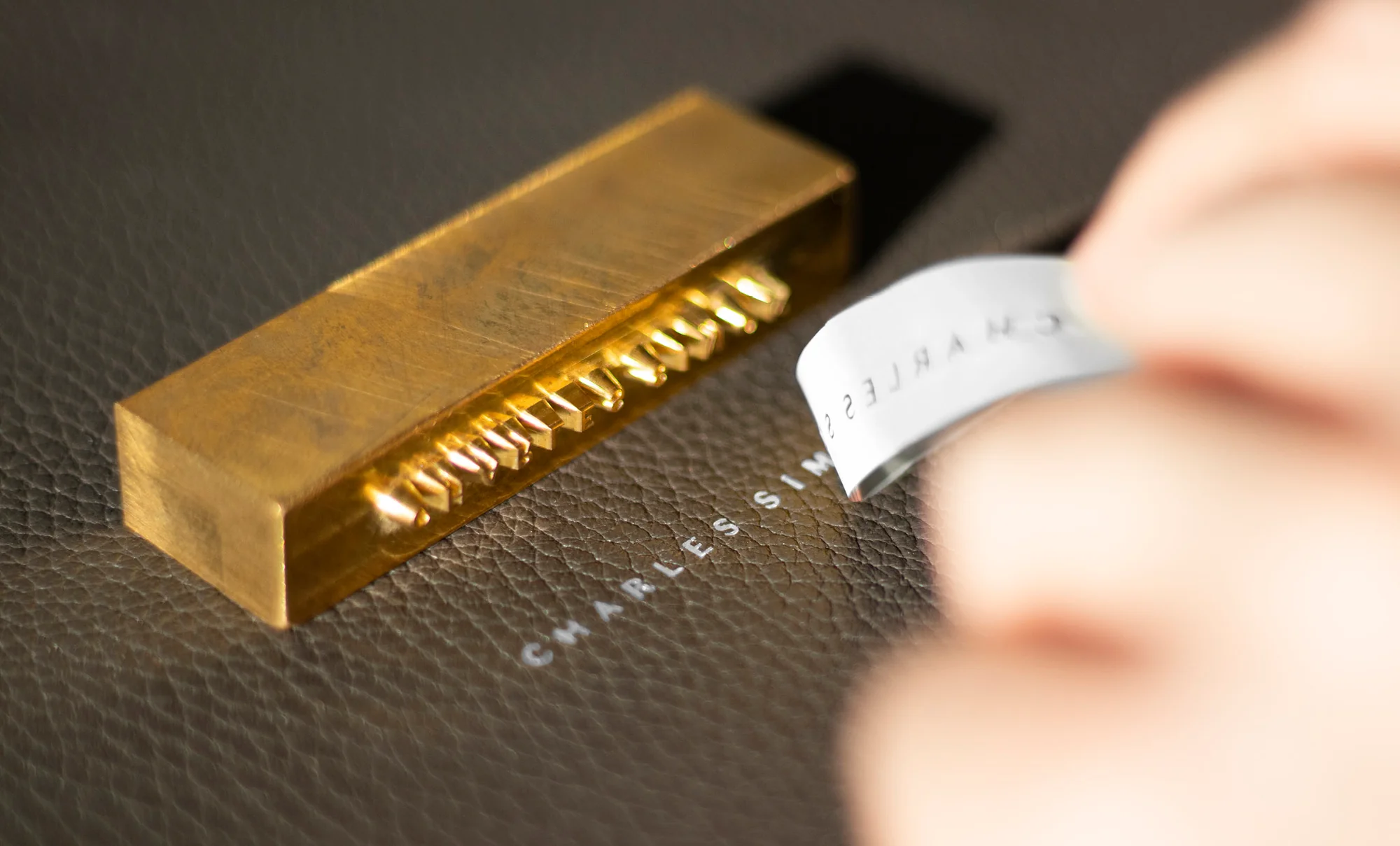
A compelling brand story isn't just marketing — it's the engine behind every conversation your team will have on the floor. Brands like Charles Simon, for example, are rooted in a clear creative philosophy that translates naturally into customer conversations about craft, design, and intention.
2. Genuine Quality at the Stated Price Point
Independent doesn't automatically mean exceptional. There are thousands of micro-brands flooding the market with white-labelled movements and generic cases dressed up in clever branding. Before committing to a brand, get the watch in your hands. Examine the finishing, the movement decoration, the case tolerances, and the feel of the crown and pushers.
Ask for independent reviews or press coverage. Look for evidence of a genuine manufacturing or design process — not just a pretty render and a Kickstarter campaign. Your customers trust your curation. That trust is worth protecting.
3. Retail Support and Marketing Infrastructure
A good brand partnership is a two-way street. The best independent brands — and their distribution partners — will come to the table with more than just product. They'll offer point-of-sale materials, training for your staff, co-marketing opportunities, and ongoing support when customers have questions or service needs.
Ask prospective partners: what does your retail support programme look like? How do you handle warranty and servicing in Australia? What marketing assets do you provide, and how do you support your retail partners in telling your story locally?
4. Exclusivity and Territory Management
One of the fastest ways to erode the perceived value of an independent brand is to over-distribute it. If a brand is available at five competing boutiques within your city, the scarcity and discovery element that makes independent watchmaking appealing is quickly lost.
When sourcing a new brand, understand the distribution strategy. How many retail partners are planned for your region? Is there a genuine commitment to selective distribution? A reputable distributor will be as protective of exclusivity as you are — because it's in everyone's interest to maintain the brand's desirability.
5. Long-Term Vision and Brand Stability
Independent brands can be fragile. Founders move on, funding dries up, or creative direction shifts. Before stocking a new brand, it's worth understanding the business behind the watches. How long have they been operating? Do they have a clear growth strategy? Are they backed by people with genuine industry experience?
This is where working with an established distributor adds real value. A distributor who has done the due diligence on a brand's stability and growth trajectory can save you from the costly experience of investing in a brand that disappears from the market within 18 months.
6. Alignment With Your Store's Identity
Perhaps most importantly: does this brand belong in your store? Every boutique has a personality — a set of aesthetic values, a customer demographic, a price positioning. The best brand additions feel inevitable, like they were always meant to be there. The worst feel like a compromise or an experiment that confuses your regulars.
Don't stock a brand simply because the margins look attractive or because a sales rep is persuasive. Stock it because it genuinely adds something to your offering — a new entry price point, a different design language, a story that complements what you already do.
Finding the Right Partners
Sourcing great independent watch brands doesn't have to mean trawling trade shows and fielding cold emails from unknown entities. A specialist distributor like Certified Horology does the hard work of identifying, vetting, and representing brands that are genuinely ready for the Australian retail environment — handling everything from import logistics and marketing support to staff training and after-sales service.
If you're a boutique looking to refresh or expand your offering with carefully selected independent watch brands, we'd love to talk.