
Finding the right mix between passion, positioning, and profit.
Building a watch boutique is not just about filling shelves it’s about building a world. Every brand you bring in says something about your taste, your philosophy, and your understanding of what collectors want next. The right mix of names creates energy, tells stories, and draws in the kind of clients who keep coming back not only to buy, but to belong.
Selecting brands for your boutique is part art, part business, and entirely about alignment. It’s about understanding who you are, what your customers value, and which brands fit naturally into that story.
Start With Identity
Before you even look at a brand catalogue or pricing sheet, you need to define your own identity. What does your boutique stand for? Are you a temple of tradition or a hub of contemporary design? Are you curating independent artisans or focusing on mainstream luxury?
Many retailers make the mistake of chasing every new hype brand, but longevity comes from cohesion. A boutique that feels curated where each brand reflects a clear aesthetic or philosophy always feels stronger than one trying to please everyone. Think of it as creating a gallery: every artist you feature should add to the narrative, not dilute it.
Ask yourself:
- What type of collector do I want to attract?
- What price segment do I want to be known for?
- What emotional response do I want to evoke when someone walks through my door?
Those answers will become your compass when evaluating potential brands.
The Power of Positioning
Once you understand your boutique’s identity, look at where each brand sits in the broader landscape. Positioning is about perception price point, heritage, and the kind of story a brand tells.
A well-rounded portfolio doesn’t mean a random mix of price brackets; it means creating a considered hierarchy. Maybe you carry one anchor brand with strong name recognition, complemented by smaller independents that express creativity and craftsmanship.
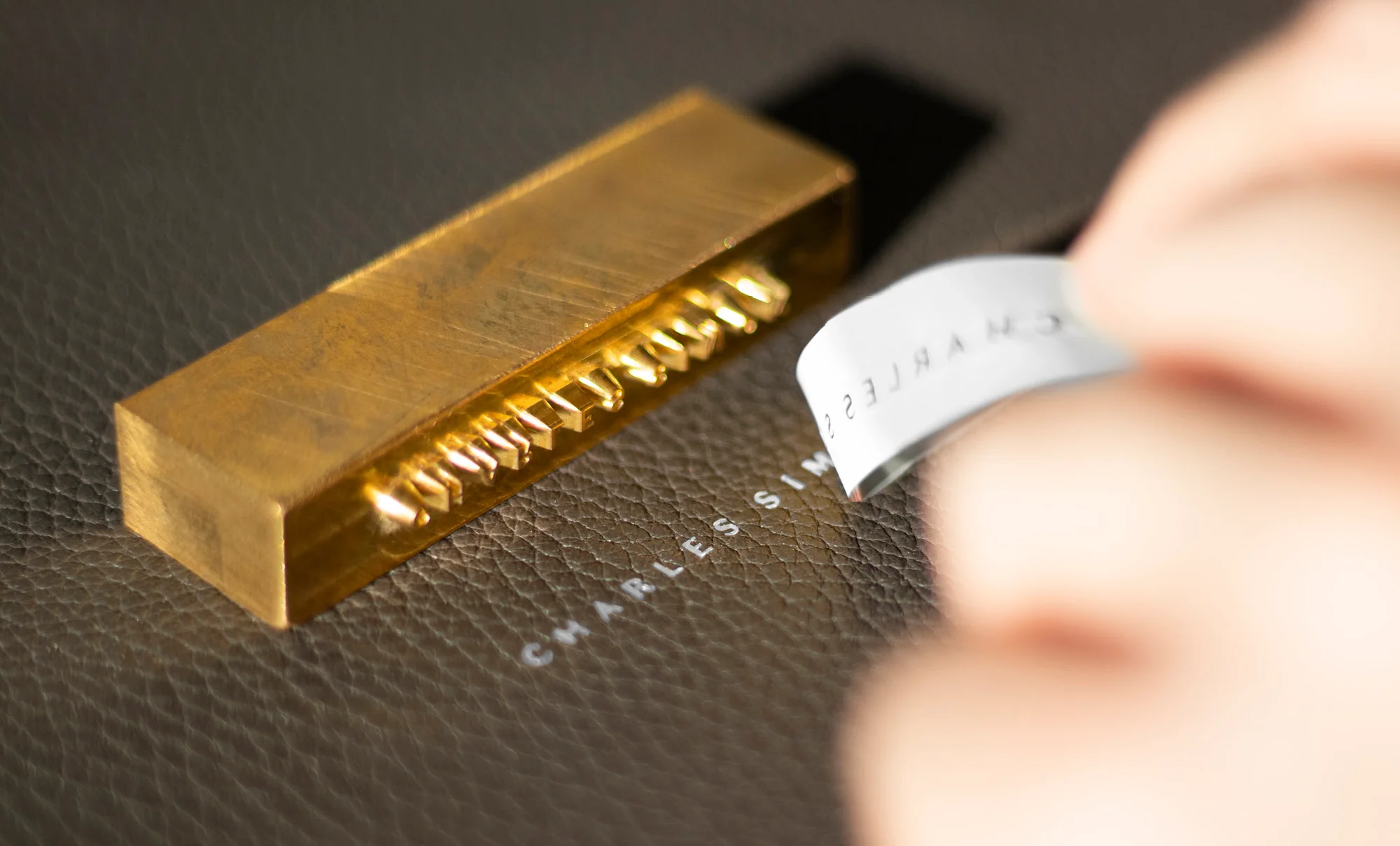
For example, pairing an avant-garde independent like Lebond where architecture meets horology with a timeless travel case maker like Charles Simon can create a multi-dimensional experience. One brand attracts through concept, the other through craftsmanship and lifestyle appeal.
Great boutiques understand these relationships. They create contrast and conversation between the brands they carry.
Authenticity Over Popularity
Trends fade quickly. Authenticity doesn’t.
Collectors are more discerning than ever, and they can sense when a brand is being sold purely for margin. Authentic curation means believing in the products you represent understanding the story, the production process, the people behind the brand.
When a client asks, “Why this brand?”, your answer shouldn’t be about sales figures. It should be about meaning. “Because their cases are handmade in Montreal using aerospace aluminum.” “Because the founder designed buildings before watches, and you can see it in every line of the case.”
That level of connection is what makes clients trust you not just as a retailer, but as a guide.
Consider Craftsmanship and Supply
Behind every great brand is great execution. A watch can look incredible in photos, but consistency, finishing, and reliability separate the good from the great.
When evaluating a brand, ask about production numbers, QC standards, and after-sales service. Boutique owners live and die by customer experience, and service turnaround is part of that.
Limited production can create exclusivity but only if the supply is stable enough to meet demand. A brand that can’t deliver consistently risks disappointing loyal clients. Balance exclusivity with dependability.
Design Differentiation
The modern boutique is more than a place to buy watches — it’s a stage for design. Unique aesthetics attract attention, and design-driven brands often become the emotional anchors of your store.
Look for brands with a distinct visual language: shapes, materials, or details that set them apart. Whether it’s the angular geometry of a Rolf Cremer or the architectural depth of a Lebond, differentiation helps your display feel curated, not crowded.
Design sells emotion and emotion sells watches.
Storytelling Potential
Every great brand has a story. The question is: can you tell it?
Brands that come with strong narratives a founder’s background, an innovative concept, a regional identity are easier to communicate and connect with clients. They give your staff something to talk about, your marketing something to highlight, and your customers something to remember.
When you stock a brand like Charles Simon, you’re not just selling travel cases you’re telling a story about Canadian engineering, modern design, and the pursuit of craftsmanship. When you carry Lebond, you’re inviting clients to wear the imagination of world-renowned architects.
The easier it is to tell a brand’s story, the more naturally it will fit into your boutique ecosystem.
Profitability and Partnership
Passion alone doesn’t pay the rent. A brand has to make commercial sense too. Look at margins, payment terms, and reorder flexibility.
But beyond numbers, consider partnership. The best brands don’t treat retailers as mere points of sale they see them as collaborators. They’ll support you with imagery, storytelling assets, and transparent communication. They’ll listen to feedback and share marketing initiatives.
If a brand feels like a partner, not just a supplier, that’s a relationship worth building.
Evolving With Your Clients
Tastes evolve. What sells today might not in three years. A successful boutique evolves with its audience, constantly refreshing its mix while keeping its core DNA intact.
Keep an eye on emerging independents, sustainable materials, and new categories like watch accessories or travel gear. Not every addition needs to be a watch sometimes, a beautifully crafted case or strap brand can expand your boutique’s reach without overcomplicating your stock.
Change doesn’t mean abandoning your identity it means refining it.
Curation Is Confidence
Ultimately, brand selection comes down to confidence confidence in your taste, your instincts, and your clients.
The best boutiques aren’t led by trends. They lead them. They know that curation isn’t about carrying everything it’s about carrying the right things.
When a collector walks into your boutique, they should feel that every watch, every object, every story belongs there for a reason. That’s what builds loyalty. That’s what builds reputation.
Selecting brands isn’t a checklist it’s a philosophy. Get it right, and your boutique becomes more than a store. It becomes a statement.